


Temple in Abydos - Temple of Seti I
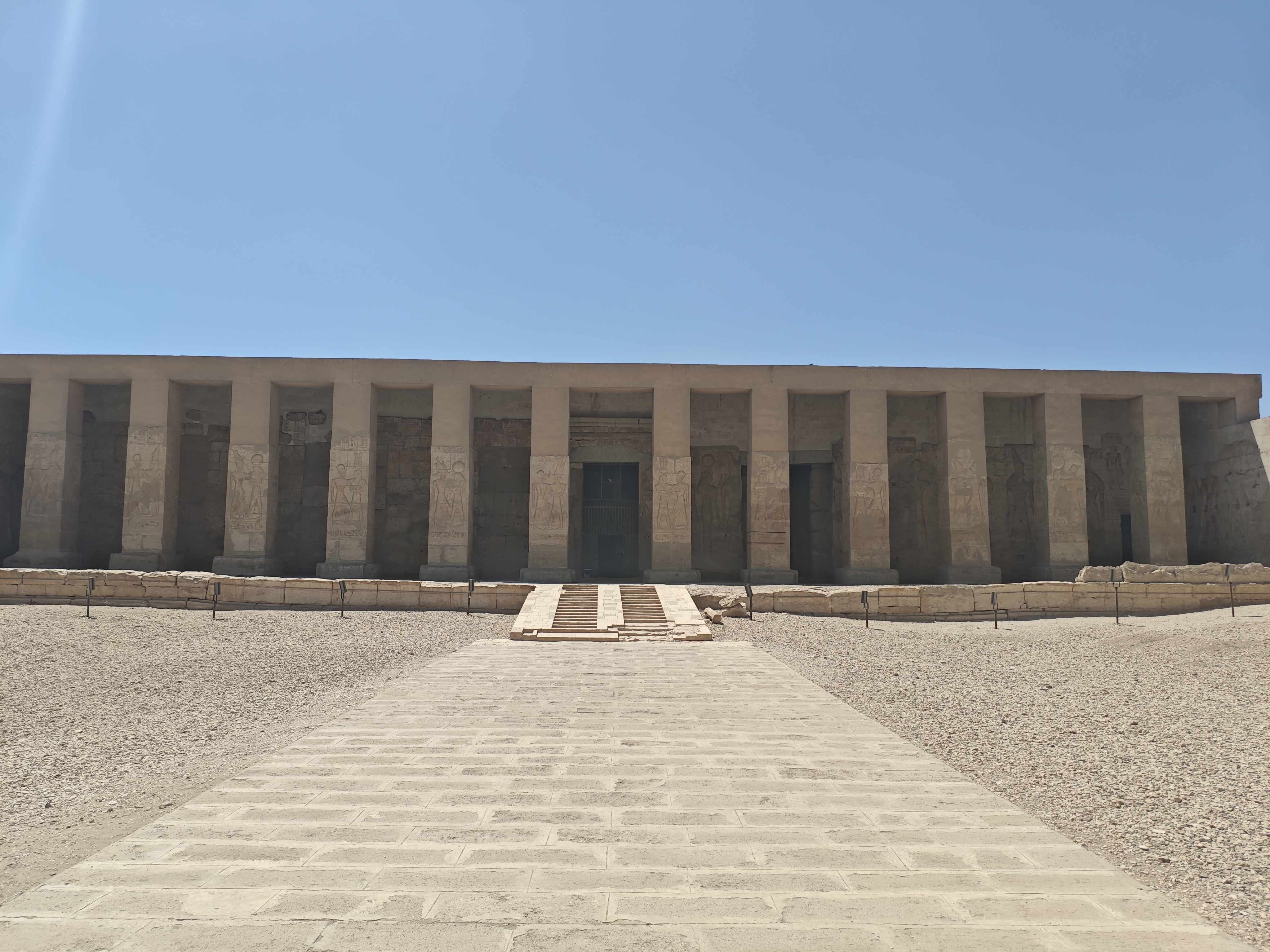
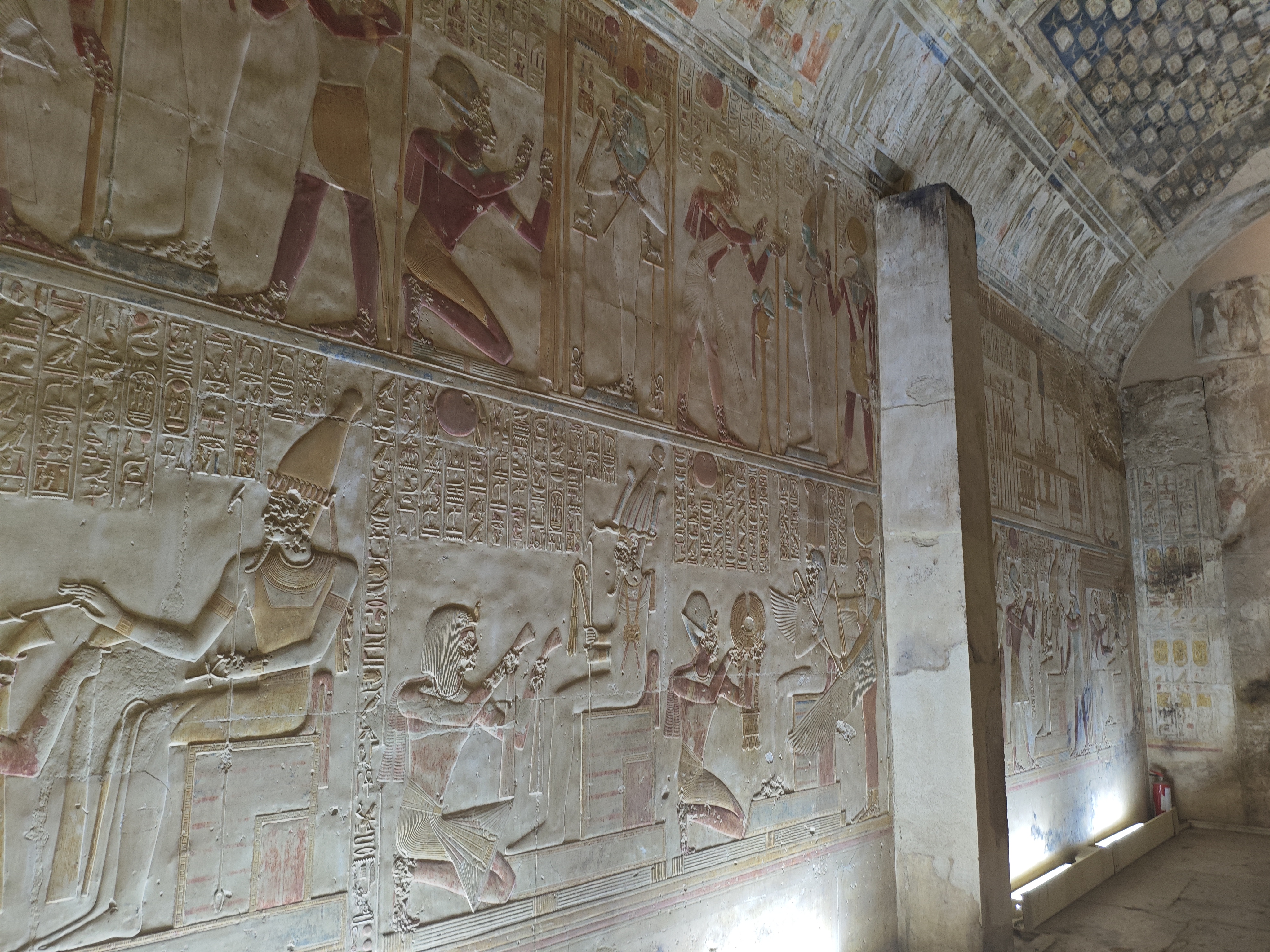
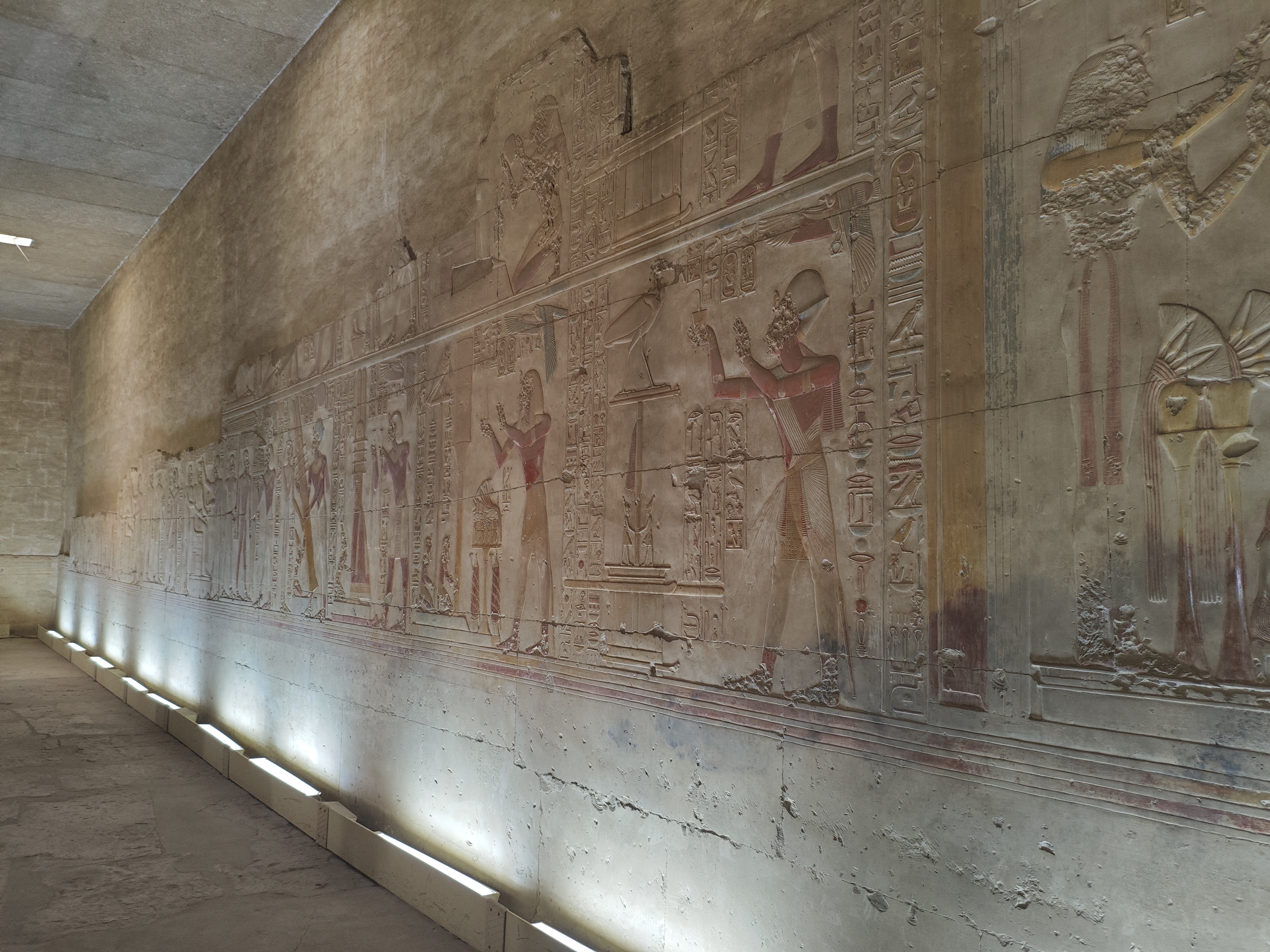
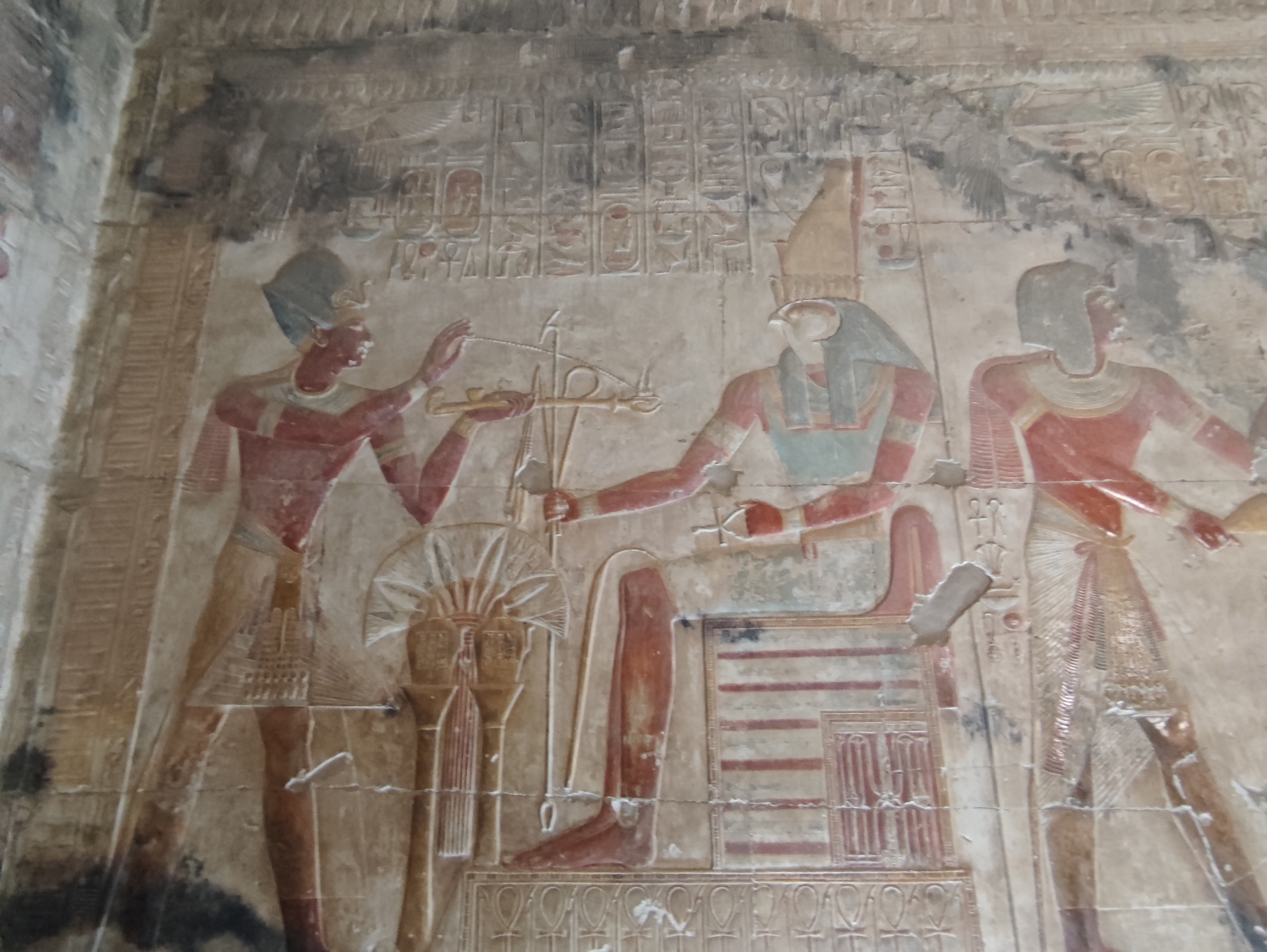
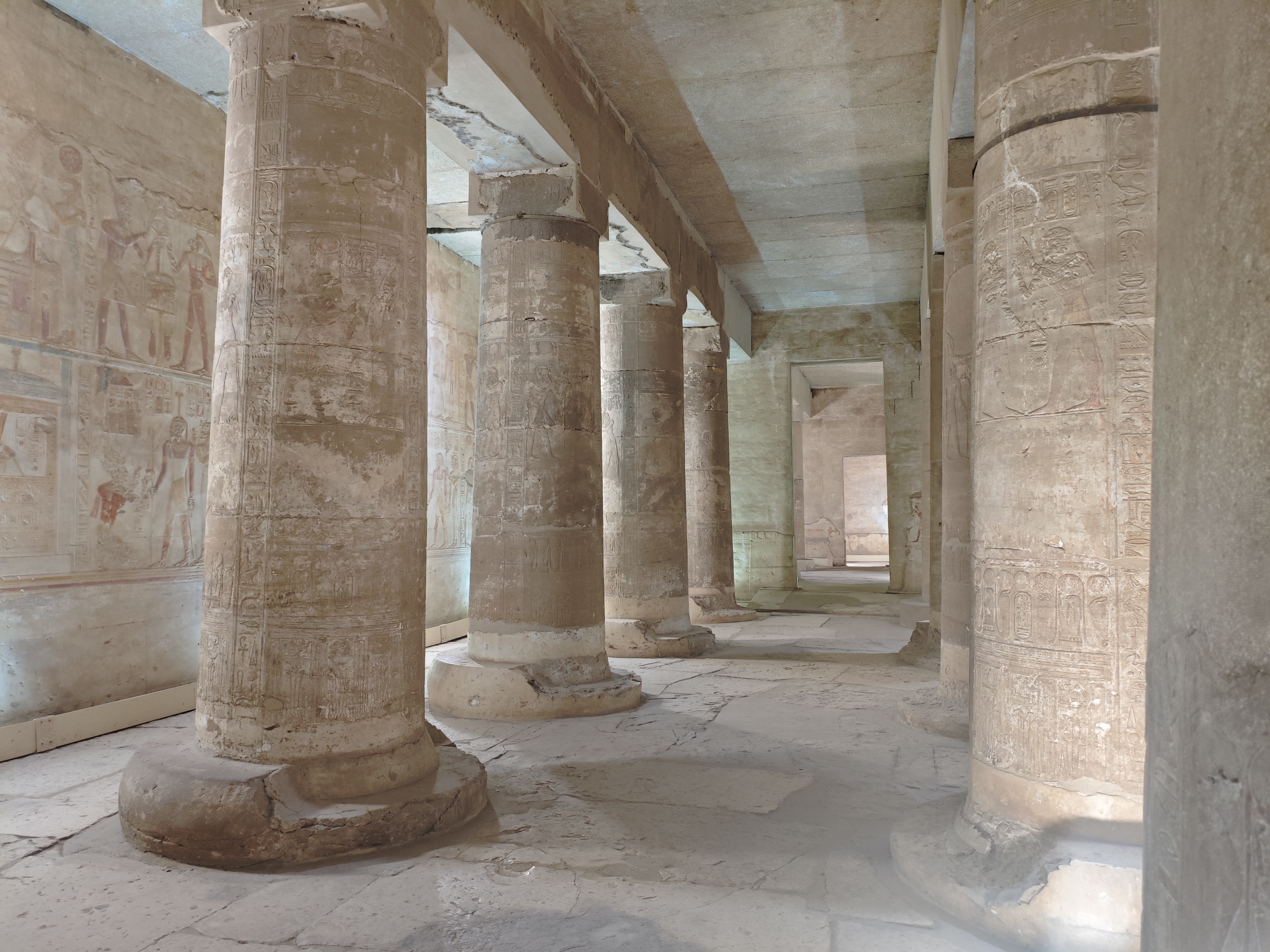
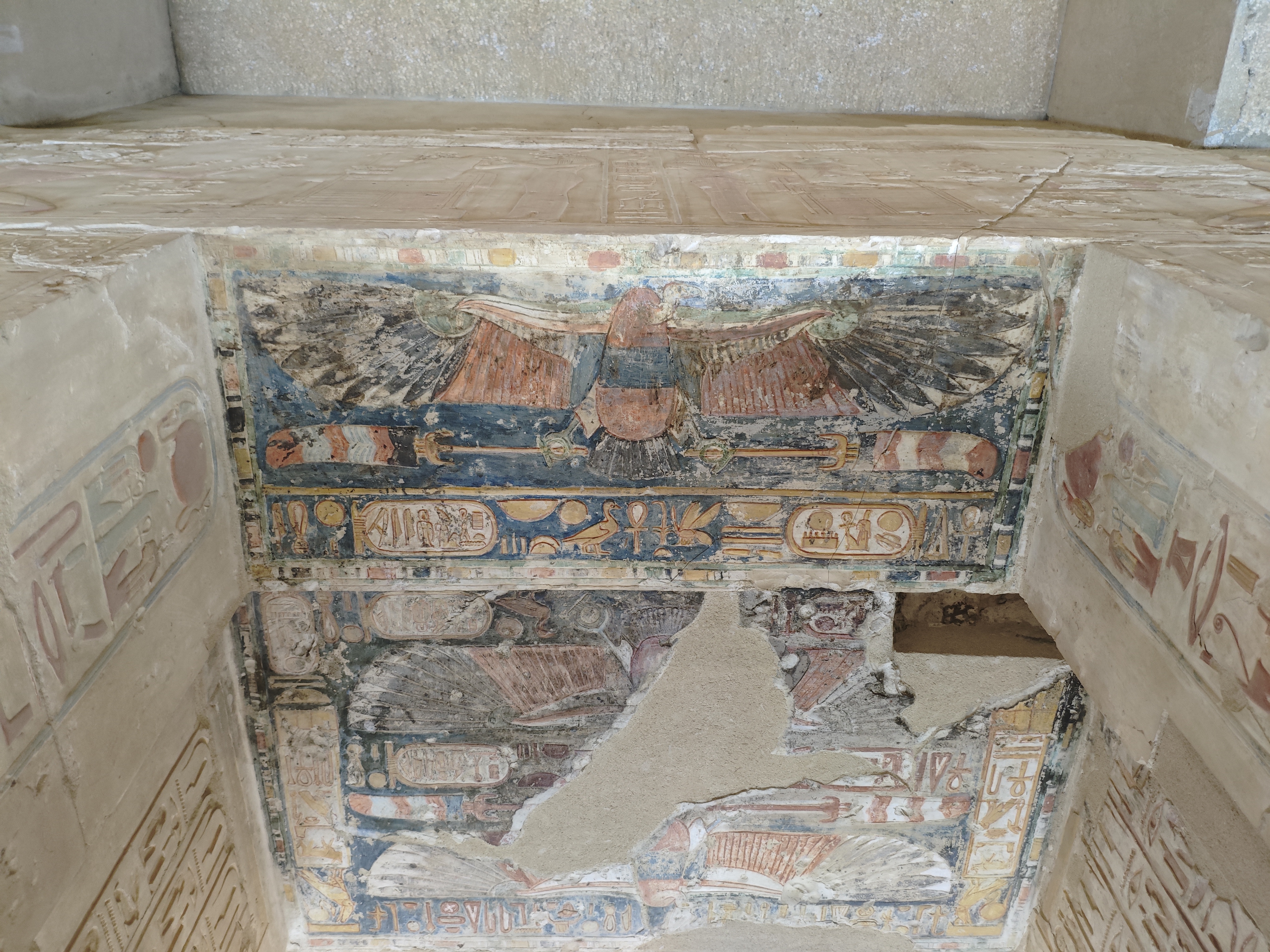
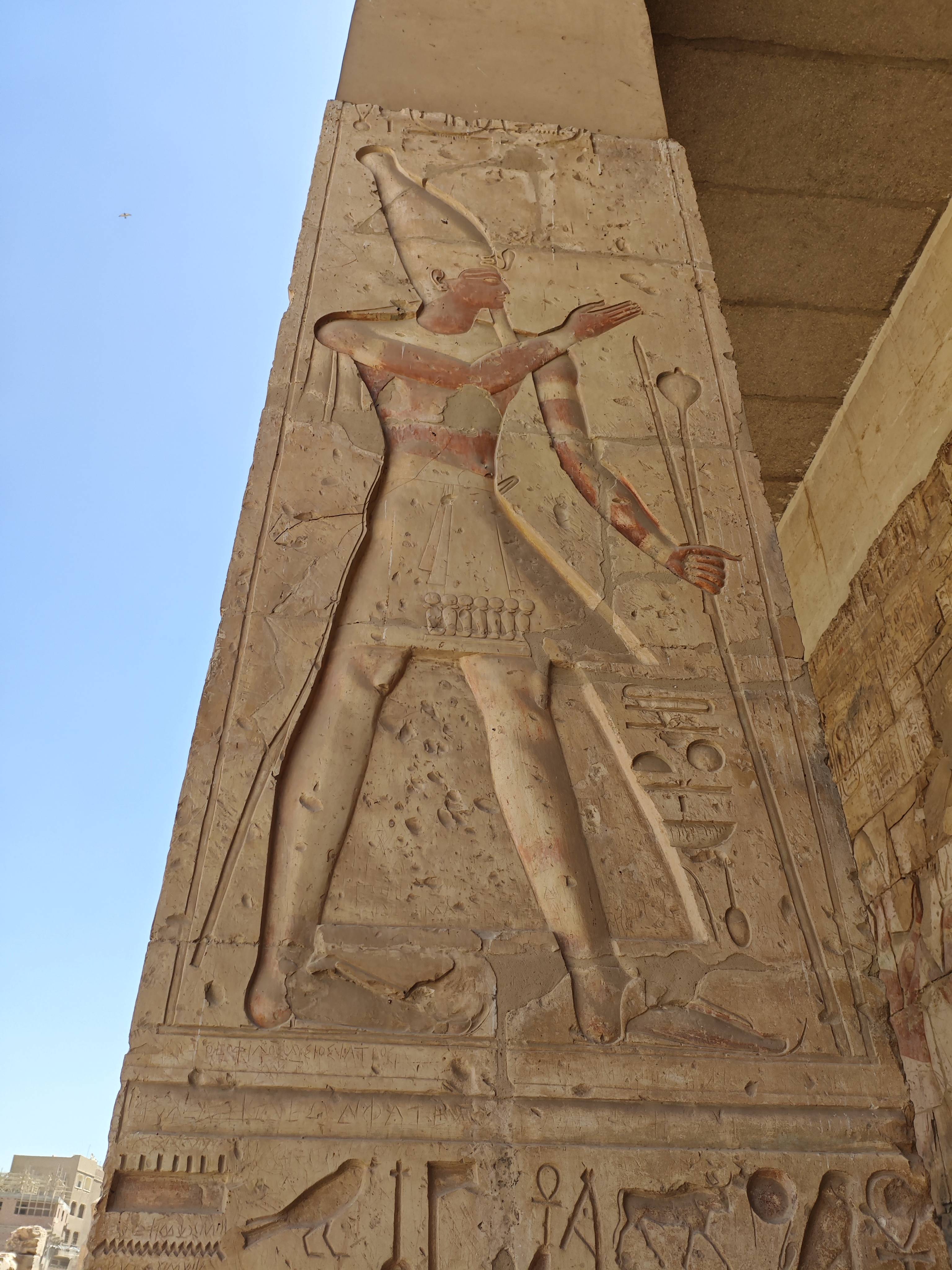
The Temple of Abydos is one of the most significant archaeological sites in ancient Egypt and is located near the city of Abydos, which is considered one of the oldest religious centers in the country. Here are some key points you should know about the temple
Historical Significance: The temple was built during the reign of Seti I in the 13th century BCE and is dedicated to the god Osiris, who is associated with the afterlife and rebirth.
Architecture: The temple is renowned for its impressive architecture and intricate reliefs that depict scenes from the life of the pharaoh and religious rituals. Particularly famous are the so-called “Osiris Reliefs,” which portray the rebirth of Osiris.
Royal Tombs: Abydos was also an important burial site for pharaohs and high officials. Many tombs from various dynasties are located near the temple, making the site a major center for ancient Egyptian religion and funerary culture.
Pilgrimage Site: The temple was a significant destination for pilgrimages, as many Egyptians believed that visiting the temple and worshipping Osiris would increase their chances of attaining a better life after death.
Discoveries: Archaeologists have made many important finds in Abydos, including inscriptions, artifacts, and even the remains of ancient boats that were used in religious ceremonies.
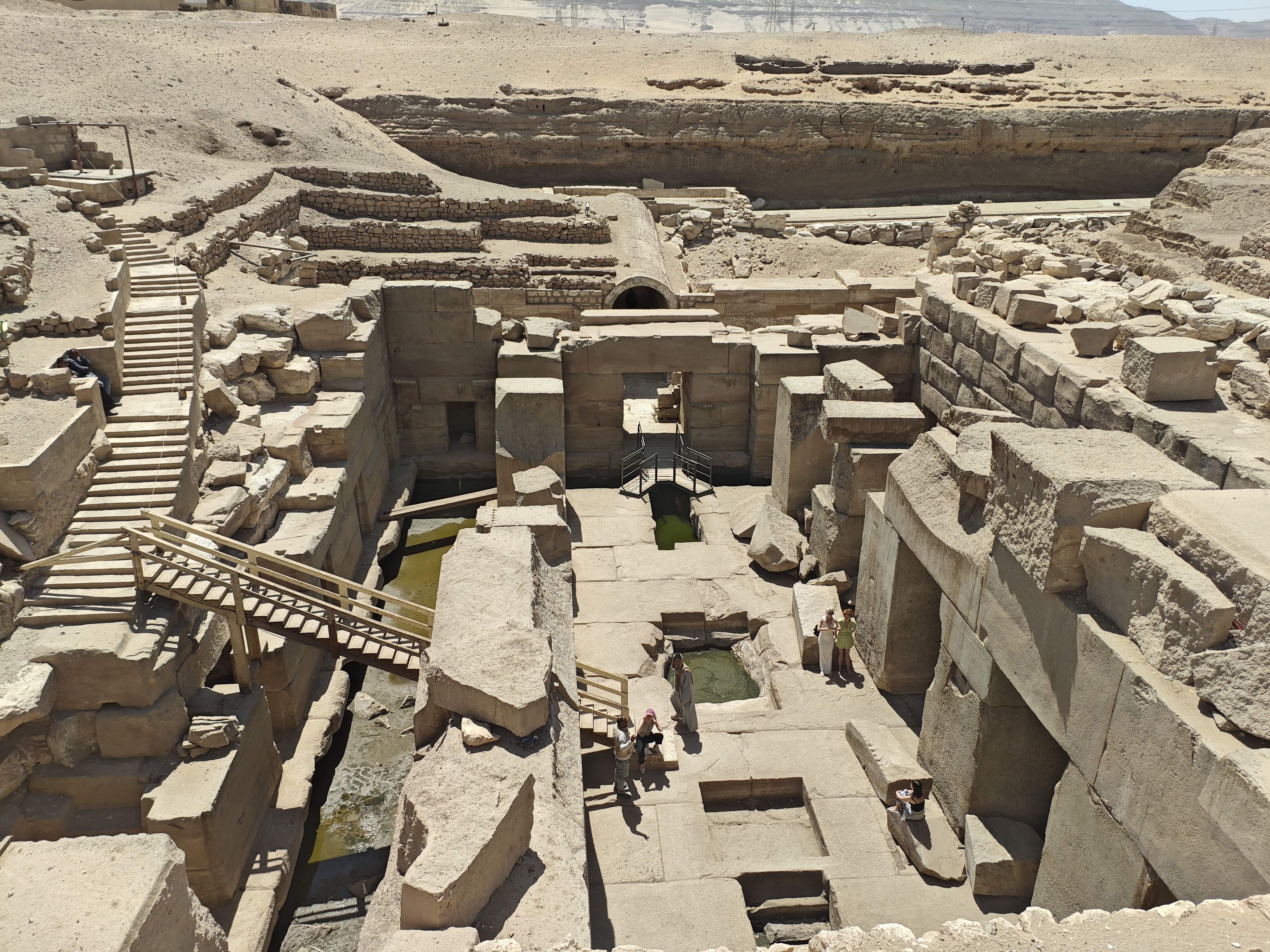
The Osireion: Behind the temple of Seti I lies the mysterious Osireion, an underground structure believed to be a symbolic tomb of the god Osiris. It was likely also built under Seti I and is unique in its design: massive granite blocks, a central subterranean chamber with a water basin, and monumental columns evoke the architectural style of the Old Kingdom. The Osireion is partially submerged in water, which has led some researchers to suggest a symbolic connection to the concept of the "primordial waters" (Nun) and creation—fitting with the Osiris myth, which is deeply linked to death, rebirth, and cosmic order. The exact function of the Osireion remains unclear to this day, giving the structure a particularly mystical character.


